Lazy House: A Bold Display Font for Creative Web Design
As a web designer, I recently had the opportunity to test Lazy House, a bold and unstructured display font, on a creative portfolio website. The moment I saw it, I knew it could add a unique and impactful touch to the design. Let's dive into how Lazy House can elevate your digital projects.
Visual Characteristics and Personality
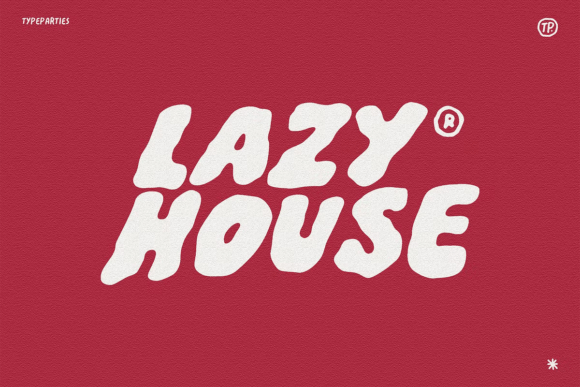
Lazy House is a typeface that exudes confidence and creativity. Its unorthodox design and striking bold weight make it stand out in any layout. The font's personality is both playful and assertive, making it perfect for brands that want to convey a modern, edgy vibe.
Using Lazy House in Website Headers and Hero Sections
When I first tested Lazy House, I used it in the hero section of the portfolio. The bold, eye-catching letters immediately drew attention, setting the tone for the entire site. For a boutique online store, this font could be used in the header to create a memorable first impression, or in a call-to-action area to drive conversions.
Readability and Visual Hierarchy
While Lazy House is visually striking, it's important to consider readability. For long-form content, it's best to use it sparingly, such as in section headings or short phrases. On mobile screens, ensure the font size is large enough to read comfortably. Pairing Lazy House with a clean, simple sans serif font for body copy can help maintain a balanced and readable layout.
Enhancing Brand Trust and User Engagement
A well-chosen font can significantly impact brand trust and user engagement. Lazy House, with its bold and distinctive style, can help establish a strong and consistent brand identity. Whether you're designing a coaching website, a product landing page, or a blog header, this font can add a professional yet creative touch.
Font Pairing and Design Assets
For a more editorial digital identity, consider pairing Lazy House with a serif font. This combination can create a sophisticated and elegant look, ideal for course sales pages or high-end brand kits. When using Lazy House, always check for included styles, webfont availability, and file formats. It's also essential to ensure multilingual support and commercial font licensing before integrating it into your projects.
Real-World Examples and Practical Tips
- Creative Portfolio: Use Lazy House for the main title and section headings to create a standout visual experience.
- Boutique Online Store: Apply it to the header and promotional banners to attract and engage customers.
- Coaching Website: Incorporate it in the hero section and call-to-action buttons to make a strong, motivational statement.
- Course Sales Page: Utilize it for the course title and key benefits to capture the attention of potential students.
Responsive Layouts and Mobile Readability
When designing for responsive layouts, it's crucial to test Lazy House on various devices. Ensure that the font size and line height are adjusted for optimal readability on smaller screens. For image overlays, choose a contrasting color to make the text stand out clearly.
Final Considerations for Web Designers
Before using Lazy House in your web design projects, take the time to explore all its features, including alternates, weights, and available styles. This will help you make the most of this versatile and creative font. Whether you're working on a small business website, a digital ad campaign, or a social media graphic, Lazy House can be a valuable addition to your design toolkit.